Arctic Tern: The Incredible Bird That Sees Two Summers Every Year
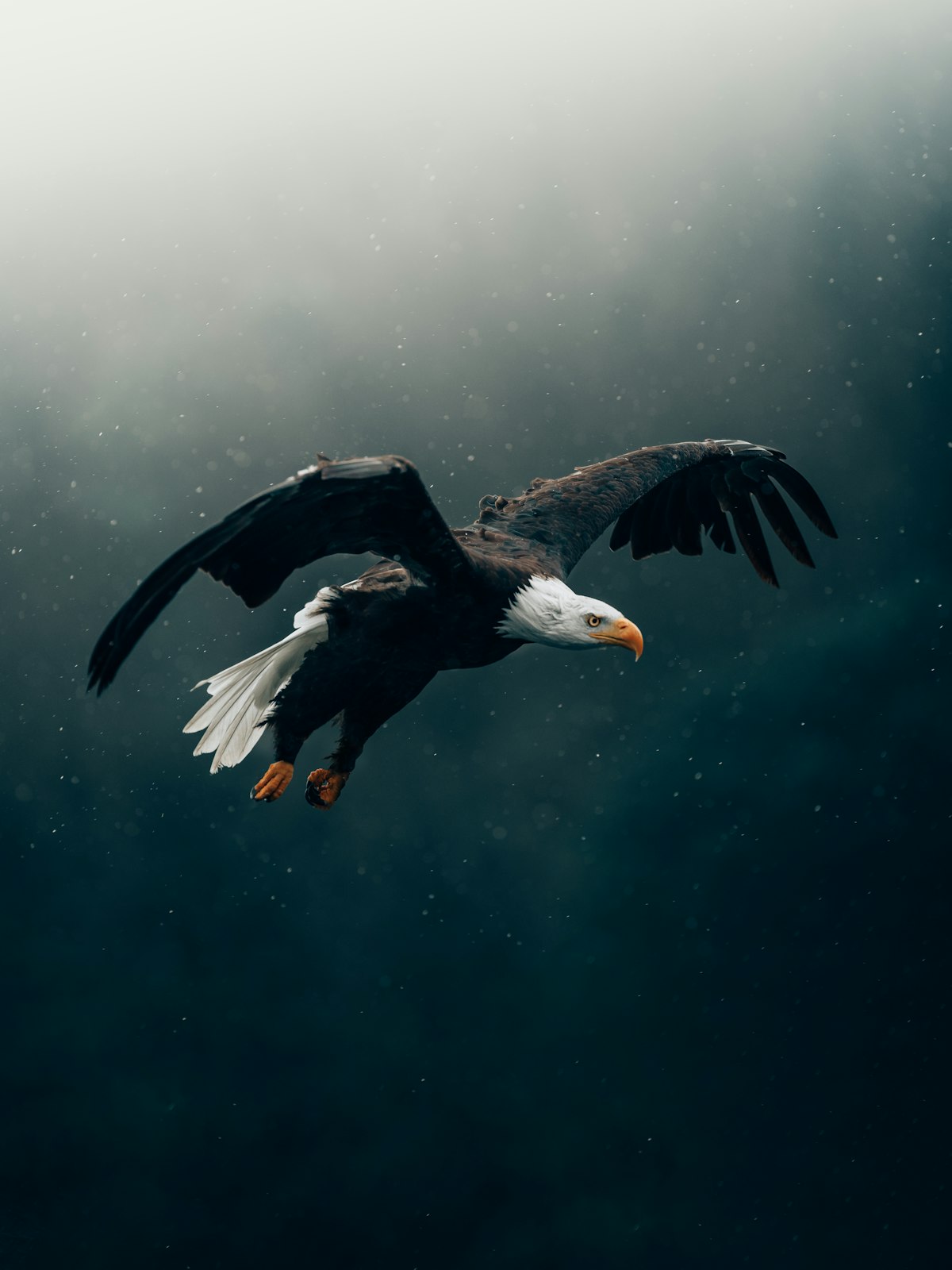
An Arctic Tern gracefully soaring over the ocean - Nature's ultimate long-distance traveler
Imagine a life where you never experience winter. Where you chase the sun from one end of the Earth to the other, covering distances that would make even the most seasoned human traveler dizzy. This isn't fantasy—it's the extraordinary reality of the Arctic Tern, a small seabird with a heart full of wanderlust and wings built for the longest journey on our planet.
Meet the Arctic Tern: Nature's Marathon Champion
The Arctic Tern (Sterna paradisaea) is not just another seabird. It's a living testament to the incredible endurance and adaptability of nature. These elegant birds, with their distinctive red beaks and forked tails, have captured the hearts of birdwatchers and scientists alike for centuries. And honestly, once you learn about their incredible life story, you'll understand why.
What makes these birds so special? Well, let me put it this way: while most of us consider a cross-country road trip an adventure, Arctic Terns casually travel from the Arctic to the Antarctic and back every single year. We're talking about approximately 44,000 miles (71,000 kilometers) of annual travel. That's nearly the equivalent of flying to the moon and halfway back over a lifetime!
I remember the first time I saw an Arctic Tern in person during a trip to Iceland. There it was, this small, graceful bird hovering against a backdrop of dramatic cliffs, and I couldn't help but think about the incredible journey it had undertaken just to be there. It gave me goosebumps, to be honest.
The Epic Migration: A Journey Like No Other
Arctic Terns navigate across vast oceans, using Earth's magnetic field and the sun as their compass
The Arctic Tern's migration is the stuff of legends. Every year, these remarkable birds embark on a round-trip journey that takes them from their breeding grounds in the Arctic to their wintering areas in the Antarctic—and back again. This pole-to-pole marathon is the longest migration of any animal on Earth.
But here's what really blows my mind: they don't just fly in a straight line. Recent tracking studies have shown that Arctic Terns take a winding path, following the coastlines and taking advantage of prevailing winds. They're essentially the world's most efficient travel hackers, using nature's own highways to conserve energy.
Why Do They Make This Incredible Journey?
The answer is beautifully simple: they're chasing summer. By flying from pole to pole, Arctic Terns experience more daylight than any other creature on the planet. They essentially live in perpetual summer, enjoying the long days and abundant food that polar summers provide. Smart cookies, aren't they?
During their journey, these birds face incredible challenges. They battle storms, navigate across featureless oceans, and somehow find their way back to the exact same nesting spots year after year. Scientists believe they use a combination of the Earth's magnetic field, the position of the sun, and even smell to navigate. It's like having GPS built right into their brains!
Physical Features & Remarkable Adaptations
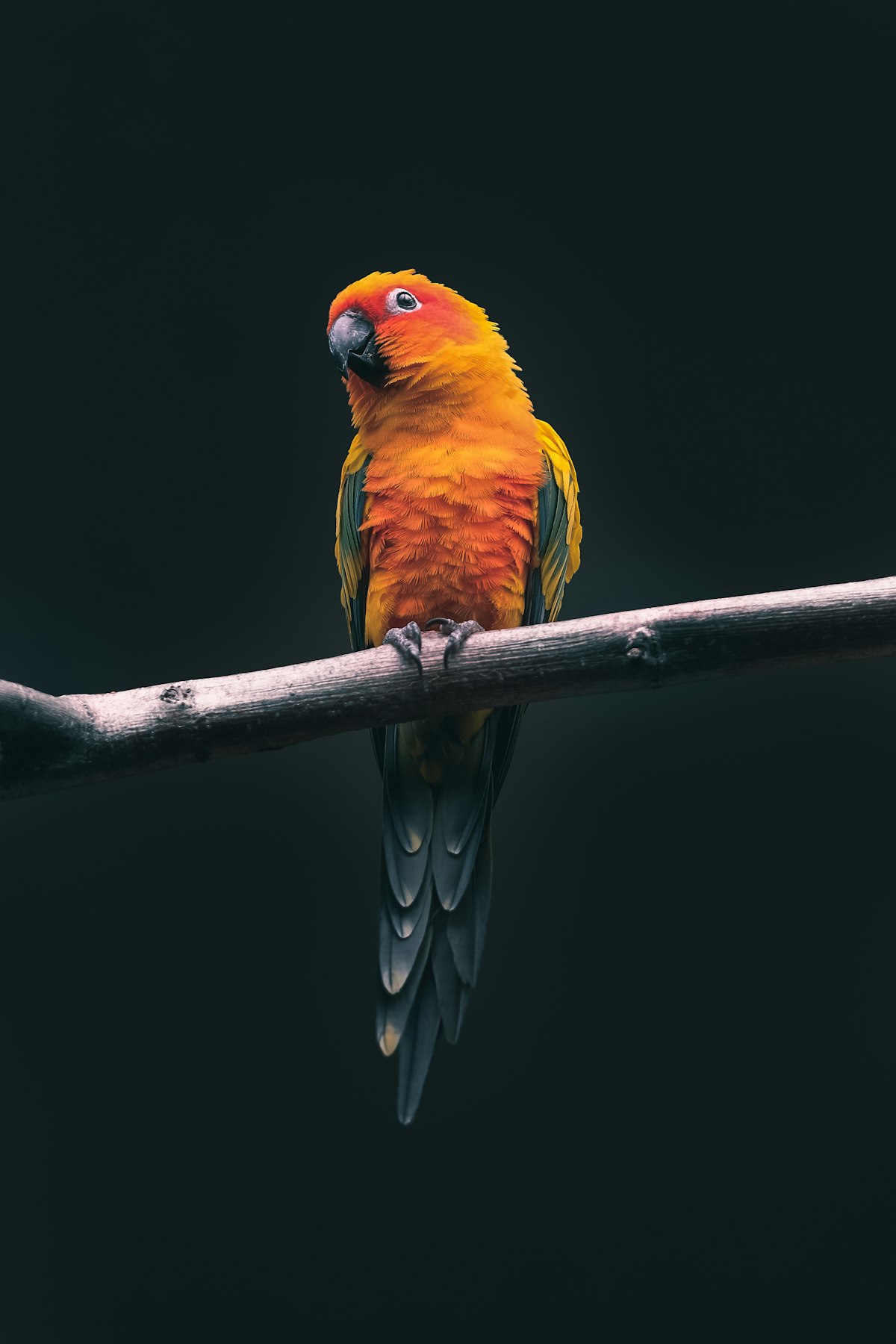
The Arctic Tern's distinctive features include a bright red beak and elegant black cap
Arctic Terns are medium-sized birds, measuring about 11-15 inches (28-38 cm) in length with a wingspan of 26-30 inches (66-77 cm). But don't let their modest size fool you—these birds are perfectly engineered flying machines.
🔍 Key Physical Features
- Bill: Bright red-orange, perfect for catching small fish
- Cap: Distinctive black cap that extends from bill to nape
- Wings: Long, narrow, and pointed for efficient long-distance flight
- Tail: Deeply forked, earning them the nickname "sea swallow"
- Legs: Short and red, suited for their aerial lifestyle
- Weight: Only 3-4 ounces (86-127 grams)—lighter than a smartphone!
Their wings are specially adapted for their marathon lifestyle. Long and narrow, they provide maximum lift with minimum drag, allowing Arctic Terns to glide effortlessly on wind currents. They've evolved to be incredibly energy-efficient flyers—which is essential when your commute is 44,000 miles!
One feature that always strikes me is their fierce, determined expression. Those dark eyes seem to hold the wisdom of countless journeys across vast oceans. There's something almost ancient about their gaze, as if they carry the memories of generations of epic migrations.
Diet, Breeding & Daily Life
Arctic Terns are primarily fish-eaters, but they're not picky. Their diet includes small fish like sand eels, herring, and cod, as well as crustaceans and insects when available. Watching an Arctic Tern hunt is a treat—they hover gracefully above the water, spot their prey, and then plunge headfirst to snatch it up. It's like watching a feathered acrobat!
The Art of Tern Fishing
These birds have perfected the art of plunge-diving. They hover at heights of 10-40 feet above the water, their keen eyes locked onto a fish below. Then, in a flash, they fold their wings and dive. The splash is minimal—they're incredibly precise. And when they emerge, more often than not, they have a wriggling fish in their beak.

Arctic Terns nest in colonies, often returning to the same nesting sites year after year
Breeding Season: A Time of Devotion
Arctic Terns typically breed in large colonies on coastal islands and beaches. They're monogamous birds, often pairing with the same partner year after year. There's something touching about this faithfulness—imagine flying 44,000 miles and then reuniting with your mate at the exact same nesting spot. Talk about relationship goals!
The female usually lays 1-3 eggs in a simple scrape on the ground, lined with bits of grass or shells. Both parents share incubation duties, taking turns keeping the eggs warm for about 21-23 days. And when the chicks hatch, both mom and dad are devoted caregivers, bringing back fish after fish to feed their hungry babies.
Fierce Protectors
Don't let their elegant appearance fool you—Arctic Terns are fierce defenders of their nests. If you wander too close to a colony, you'll quickly learn why they're called "dive-bombers" by photographers and researchers. They'll swoop down, screaming their sharp "kee-yah" calls, and aren't afraid to give intruders a sharp peck on the head. I've personally witnessed this defensive behavior, and trust me, you learn to wear a hat around nesting colonies!
Conservation Status & How You Can Help
Currently, Arctic Terns are classified as "Least Concern" by the IUCN, with an estimated global population of about 2 million individuals. However, this doesn't mean they don't face challenges. Climate change, habitat loss, and overfishing are all threatening these incredible birds.
Rising sea temperatures are affecting the availability of small fish that Arctic Terns depend on. In some regions, breeding success has declined dramatically as parents struggle to find enough food for their chicks. It's heartbreaking to think that these master navigators, who've been making their epic journeys for millions of years, might be threatened by changes happening within a single human generation.
🌍 How You Can Help Arctic Terns
- Support Marine Conservation: Donate to organizations protecting ocean ecosystems
- Reduce Your Carbon Footprint: Climate change affects their food supply
- Choose Sustainable Seafood: Overfishing depletes their prey
- Respect Nesting Areas: Keep your distance during breeding season
- Spread Awareness: Share their amazing story with others
There's something deeply inspiring about the Arctic Tern's story. Here is a creature weighing less than a smartphone that undertakes the longest migration on Earth, year after year, without complaint or hesitation. They remind us of the incredible resilience and determination found in nature.
Perhaps what touches me most is their unwavering connection to both poles of our planet. In a world where borders and boundaries seem increasingly important to humans, Arctic Terns remind us that we share one Earth, one sky, one interconnected web of life. They're truly citizens of the whole world.
Final Thoughts
The Arctic Tern is more than just a bird—it's a symbol of endurance, freedom, and the remarkable wonders of the natural world. Their epic journey from pole to pole reminds us that nature still holds incredible secrets and that even the smallest creatures can accomplish extraordinary things.
Next time you hear about Arctic Terns, I hope you'll think about their incredible journey with a sense of wonder and appreciation. These small, elegant birds have been traveling the world's longest migration route for millions of years, connecting the Arctic and Antarctic in their endless chase of summer. And that, I think, is something truly worth celebrating.
Comments
Post a Comment