The Arabian Horse: A Timeless Bond Between Humanity and Equine Excellence
In the golden sands of the Arabian Peninsula, a story began thousands of years ago that would forever change the relationship between humans and horses. The Arabian horse, with its distinctive dished face and arched neck, emerged not just as a means of transportation but as a cherished companion, a symbol of prestige, and a testament to the enduring partnership between our species.
Today, when we look into the intelligent, expressive eyes of an Arabian horse, we're gazing at a living connection to ancient civilizations, to Bedouin tribes who shared their tents with these noble creatures, and to a heritage that spans continents and millennia.
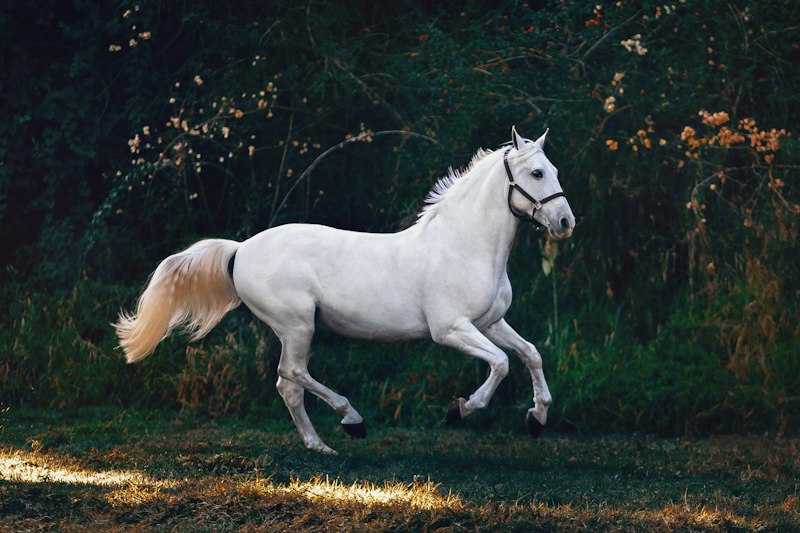
The Arabian horse in its native desert environment, embodying thousands of years of heritage
A Living Legacy: The History That Shaped a Breed
The Arabian horse is believed to be one of the oldest horse breeds in the world, with archaeological evidence suggesting their presence in the Arabian Peninsula dating back over 4,500 years. But what makes their story truly remarkable isn't just their age—it's how intimately their development was intertwined with human survival and culture.
The Bedouin people of the desert didn't just breed Arabian horses; they lived with them. In the harsh desert environment, these horses became family members, often sleeping in or near their owners' tents for protection from the elements and predators. This close relationship created a breed with an exceptional temperament and an almost uncanny ability to bond with humans.
Stories passed down through generations tell of Arabian horses who would stand watch over sleeping children, who could travel incredible distances on minimal water, and who seemed to understand their riders' thoughts before they were spoken. While some tales may be embellished, modern Arabian horses continue to demonstrate remarkable intelligence and sensitivity that suggests truth in these ancient accounts.
The Arabian Difference: What Makes Them Special
Walk into any stable housing Arabian horses, and you'll immediately notice something different. It's not just their refined, elegant appearance—though their wedge-shaped heads, large eyes, and high-set tails are instantly recognizable. It's an intangible quality, a presence that seems to acknowledge your existence in a way that feels almost human.

The distinctive features of an Arabian horse - refined head, large expressive eyes, and alert ears
Arabian horses possess unique skeletal features that set them apart from other breeds. They typically have one fewer vertebra, one fewer pair of ribs, and one fewer bone in their tail dock than other horses. This gives them their characteristic compact, strong body and the distinctive high tail carriage that seems to float behind them like a banner.
But physical characteristics tell only part of the story. Arabian horses are renowned for their stamina and endurance—traits developed over centuries of desert travel where survival depended on the ability to cover vast distances efficiently. Modern endurance riding competitions often see Arabian horses dominating the field, sometimes covering 100 miles in a single day with veterinary checks confirming their remarkable physical condition throughout the race.
Key Characteristics of Arabian Horses:
- Size: Typically 14.1 to 15.1 hands high (about 4.7 to 5 feet at the shoulder)
- Weight: 800 to 1,000 pounds
- Colors: Bay, gray, chestnut, black, and roan
- Lifespan: 25-30 years, often remaining active into their twenties
- Temperament: Intelligent, sensitive, people-oriented, and spirited
- Special abilities: Exceptional endurance, quick learning, strong memory
The Human-Arabian Bond: More Than Just Rider and Mount
Anyone who has spent time with Arabian horses will tell you that these animals form unusually deep connections with their human companions. This isn't anthropomorphism or wishful thinking—it's a trait that has been selectively bred and reinforced over thousands of years.
Sarah Mitchell, a trainer who has worked with Arabians for over 30 years, describes it this way: "An Arabian doesn't just learn what you teach them—they learn you. They pick up on your emotions, your habits, even your intentions. I've had Arabians who would change their behavior based on whether I was having a good day or struggling with something personal. It's like they have an emotional intelligence that goes beyond typical horse intuition."

The special bond between Arabian horses and their human companions transcends centuries
This sensitivity can be both a blessing and a challenge. Arabian horses respond exceptionally well to kind, patient training but can become anxious or resistant with harsh methods. They remember both positive and negative experiences vividly, which means that building trust is paramount. Once that trust is established, however, many owners report that their Arabian horses seem to genuinely enjoy spending time with them, even without riding or training involved.
Arabians in the Modern World
While their origins are ancient, Arabian horses have adapted beautifully to modern life. Today, they excel in various disciplines including endurance riding, dressage, show jumping, Western pleasure, and horse shows that celebrate their breed characteristics. Their versatility and willingness to work have made them favorites among recreational riders and competitive equestrians alike.
Perhaps more importantly, Arabian horses have become ambassadors for therapeutic riding programs worldwide. Their gentle nature and sensitivity make them particularly well-suited for working with children and adults with physical or emotional challenges. The calm, measured response of a well-trained Arabian can provide comfort and confidence to individuals who might find other horses too intimidating.

Arabian horses continue to captivate with their natural grace and athletic ability
Caring for These Desert Royalty
Owning an Arabian horse is a significant commitment that goes beyond basic horse care. These animals thrive on social interaction and mental stimulation. A lonely Arabian is an unhappy Arabian, and they can develop behavioral issues if left isolated or unstimulated for long periods.
Their desert heritage means they're generally hardy and efficient eaters, often requiring less feed than larger breeds. However, they can be prone to certain health issues, and their sensitive nature means they benefit from regular veterinary care and attentive observation of any changes in behavior or appetite.
Exercise and training should be consistent but varied. Arabian horses are intelligent and can become bored with repetitive routines. Many owners find that incorporating trail rides, different training exercises, and even simple games or puzzles keeps their Arabian engaged and happy.
A Future Together
As we move further into the 21st century, the Arabian horse remains relevant not as a relic of the past but as a living reminder of what's possible when humans and animals form genuine partnerships. In an increasingly digital world, the simple act of spending time with an Arabian horse—feeling their breath, sensing their mood, moving together in harmony—offers a grounding connection to the natural world and to our own history.
Whether you're an experienced equestrian or someone who simply appreciates these magnificent animals from afar, the Arabian horse represents something profound: a relationship built on mutual respect, trust, and companionship that has survived wars, empires, and the relentless march of time.
The next time you see an Arabian horse, take a moment to really look. In that refined face and those soulful eyes, you're seeing not just an animal, but a partner who has walked alongside humanity through the ages, carrying us not just across deserts and battlefields, but into a deeper understanding of what it means to connect with another living being.
Comments
Post a Comment